"A New Other — Cuba"
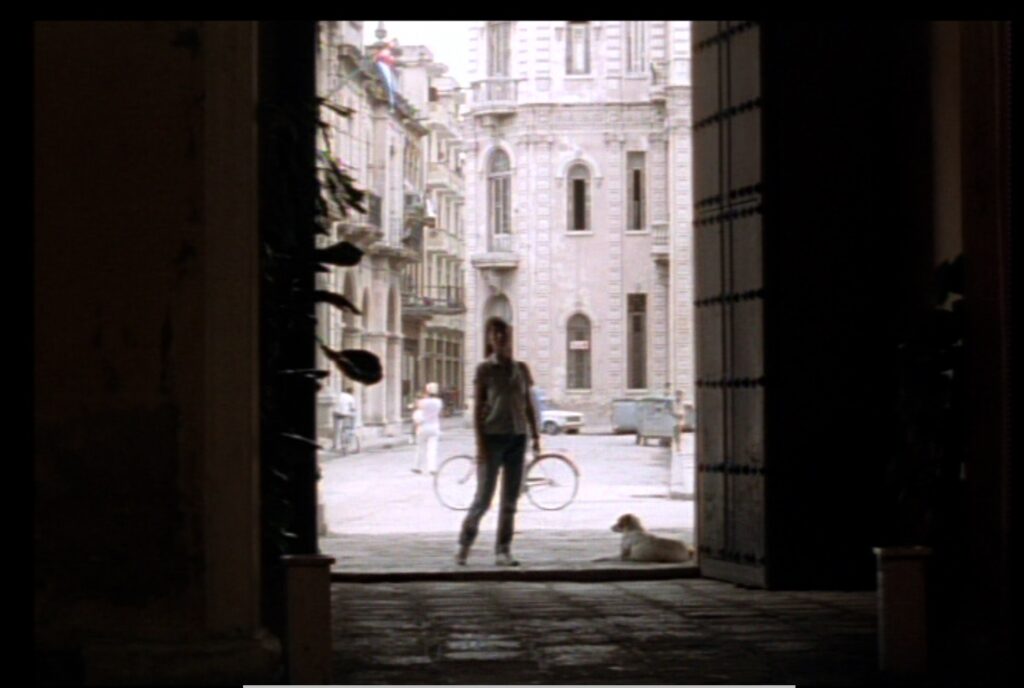
from “The Trajectory of KYOKO:
The Film That God Put to the Test,” Gentosha
“The reason why Cuba was so important was because it was related to my problems with The U.S.A. For me, the relationship with “The United States of America” was so important that it was reflected in many of my works. “U.S.A.” has always influenced me, to the point where I refuse to criticize or make accurate judgments. Actually, I think all Japanese people were like that after the war, but I was born in Sasebo, a town that used to be a US military base, and I grew up in an environment where a U.S. officer’s Japanese woman who was called “ONLY” lived next to my house. I think I was in an environment where it was easier to understand.
I think that the fact that negotiations are taking place without proper dialogue between the Japanese prime minister and the U.S. president is symbolically indicative of the Japan-U.S. relationship. In other words, it’s a state of slavery to values. I think the biggest reason why this happened is because we didn’t have a decisive battle on the mainland. I’m sure it would have been better not to have had a decisive battle on the mainland. Because if I did that, it would have been a big deal. However, by not having a decisive battle on the mainland, the opponent they were fighting became vague. On the contrary, after the war, they completely modeled themselves on American values and lifestyle patterns. It’s like they were supposed to be enemies, but when you met them, they weren’t that bad. …It’s not a matter of discipline, but before I knew it, I had come to think that America was cool.
In a state of slavery to such values, there are only two ways to go about it: to make a fool of The U.S. and reject it or to admire The U.S. and talk like the DJs in the U.S. I thought so for a long time. There were times when I tried to put up a pretense of walking on the edge of nationalists and non-nationals, but in reality, I couldn’t do anything.
But when I learned about Cuba, its music, and its culture, I felt like I was completely freed from America. I thought that jazz and rock were the only ways to compete with classical music, but it turns out that Cuba had other means.”
America as Other
Pride that is not immutable
I was born in a base town, in the seventh year after the last great war ended. Now, as I do the shooting and editing of the film “KYOKO” in America, staying in a small old hotel in West Hollywood and writing this manuscript for a Japanese newspaper, I am strongly conscious of having been born in a town with a U.S. military base. What meaning the defeat, the subsequent occupation by the U.S. military, and the survival of the bases under the Security Treaty held for the nation of Japan — that kind of question is not very important to me. In a town with a U.S. base, there were things the Japanese communal control could not reach; from the very start, something stood exposed. A foreign army stationed there, occupying part of the national land — that situation was, when you think about it, the first such since the dawn of history. Next door to the house where I was born and raised lived an “only” of a U.S. military officer (mostly women under contract as prostitutes; among them were some who had married G.I.s). I am of the first generation to have witnessed, as a child, a woman of my own country being “kept” by a foreigner, the stronger party. This does not mean that my pride as a member of the Japanese people is therefore thin. Nor does it mean that I leaned, body and soul, toward America as the stronger party.
I only came to know that the pride of a people is not something that towers permanently and immutably somewhere; it is something that can be taken away all too easily, or, conversely, taken from others.
Won over twenty years
In both the film and the novel, Kyoko, the heroine I built up, is a woman set free from the Japanese communal order by the personal physicality of dance, and by traveling the American East Coast alone, she impresses upon the American minority people around her the attractive qualities of a Japanese woman. The structure of that story is something I was only able to win after twenty years had passed since my debut. In my relationship with America, I had until now been intensely Japanese. I used to put on airs about walking the narrow waterline between nationalist and traitor, but in reality I could do nothing. There were only two extreme attitudes: become a slave to American values, or hysterically reject anything American. Those two attitudes are common to everyone — from the women called “yellow cabs” and the boys in black-rapper fashion, to successive governments, including the appearance of a book like “The Japan That Can Say No.”
We must not forget the simple but usually invisible truth: that what showed the high level of Japanese baseball was Nomo, who leapt out of the Japanese baseball world. As long as you stay inside the comfortable Japanese communal order, you cannot show the pride of the Japanese people. In making the film in America, since everyone except the lead actress and me was almost entirely American, every single thing about me was put to the test. The reality of the screenplay, film technique, physical stamina, humanity, even what kind of smile I made — all of it was tested. I was lonely, but I had never had such an enjoyable experience, and I could feel my own store of information rising by an extraordinary degree. I am not so simple as to think that, in order to be free of the Japanese communal order, one must blindly go out into the world. The Japanese communal order is now built by Japanese people all over the world, and of course not all of it is bad.
The Cuban music used in the film moved many of the American staff. Cuban music and dance supported my film and novel, and made my relationship with America objective. Through Cuba, I was able to grasp, calmly, both the power that America holds and its fundamental loneliness. It is in our involvement with an Other that we come to know ourselves, and through yet another, new Other, the relationships up to then become objective. And unless you understand the highest priority within yourself, you cannot meet an Other. In “KYOKO,” I learned these things.
— Ryu Murakami (December 3, 1995, Nishinippon Shimbun)
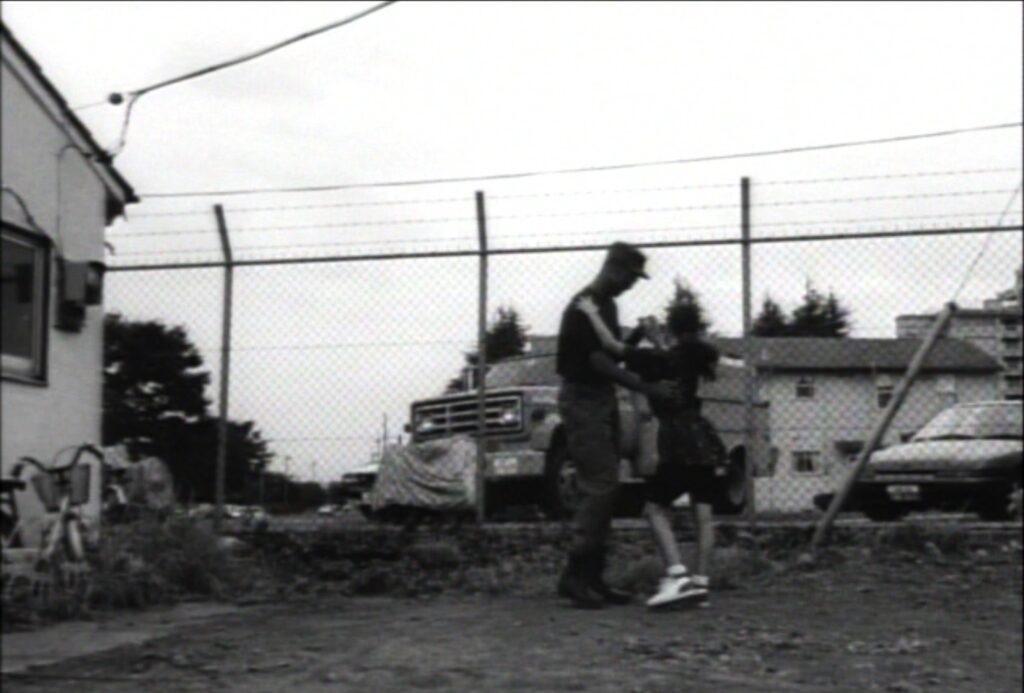
The basic thing has not changed at all since the days I walked beside the barbed wire as a child.
But now, the “barbed wire” that had always been in my heart has disappeared. —Kyoko
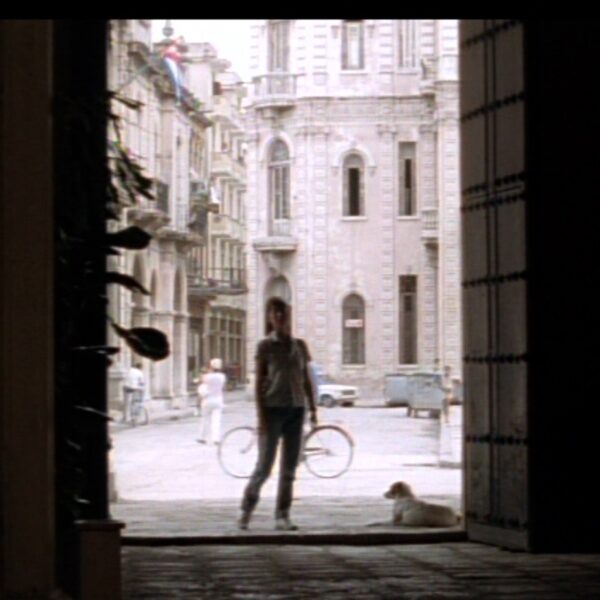
The New Other, Cuba
We come to know ourselves through our relationships with others, and with another new other, our previous relationships become objective.| Ryu Murakami from "KYOKO's trajectory"
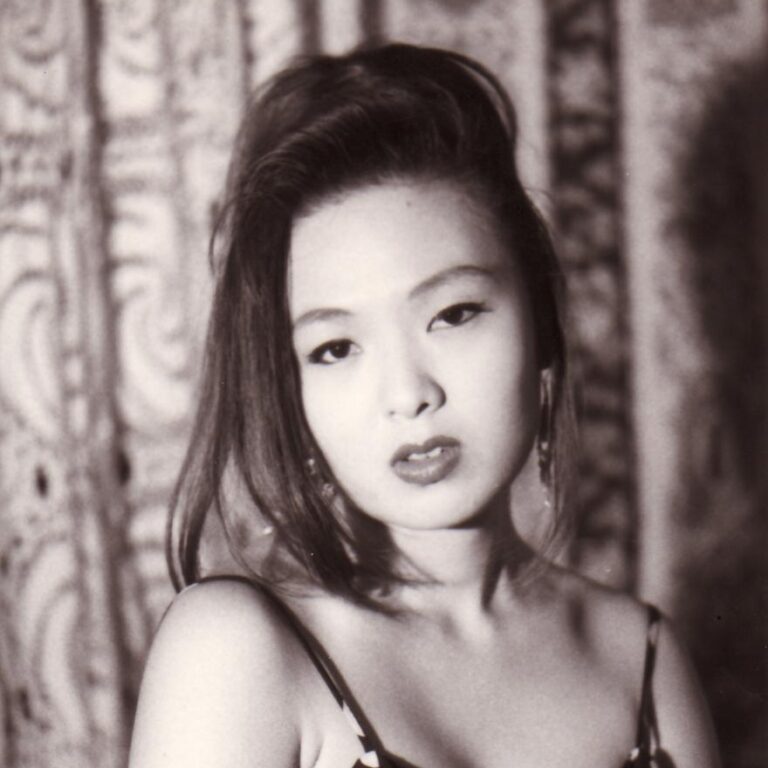
The “wounded Japanese” inside me
The ”wounded Japanese inside me'' was a "Japanese'' who felt a deep sense of guilt over the Pacific War, was unable to feel proud of his country, and was unable to love it. This is an essay that connects to “The New Other, Cuba“.
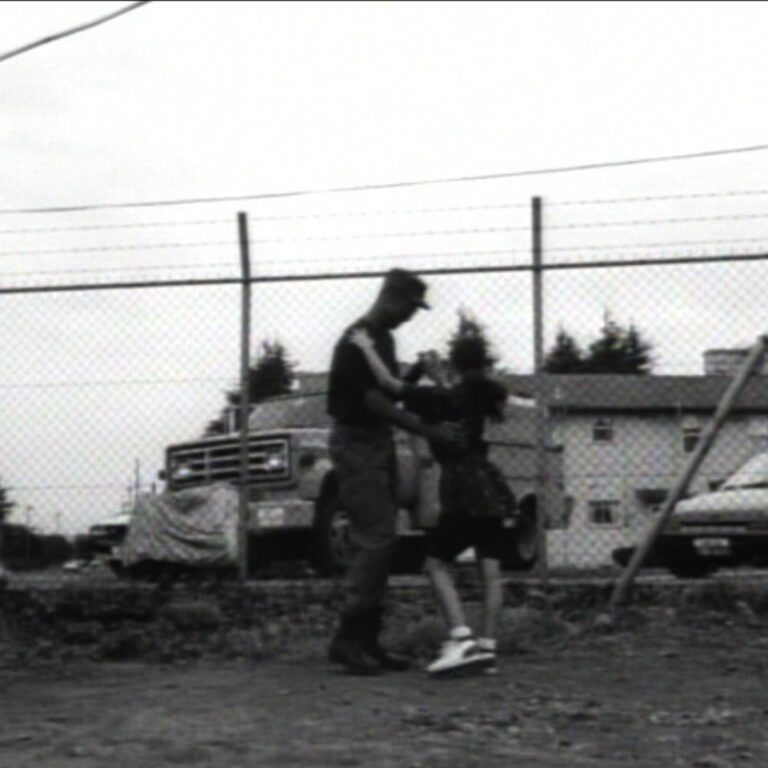
"KYOKO" is the story of Ryu Murakami, himself.
I felt myself returning to the"spirit" I had when I wrote "Almost Transparent Blue.''| Ryu Murakami