JAPONÉSON

Cuban Music

MURAKAMI Label

In the 1990s, during the “Período Especial” (Special Period)—the most severe era following the collapse of the Soviet Union—Ryu Murakami conducted many recordings and filled a void in Cuban music history.

1992-2000

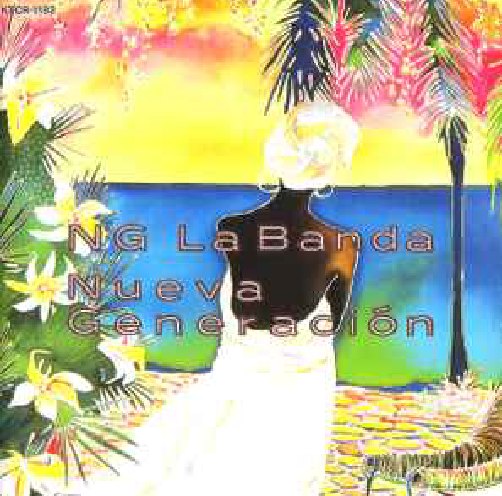
Nueva Generación

NG La Banda
(1992)
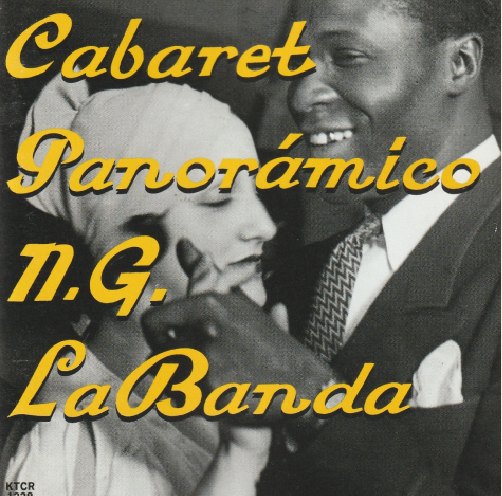
Cabaret Panoramico
Échale Limón

NG La Banda
(1993)
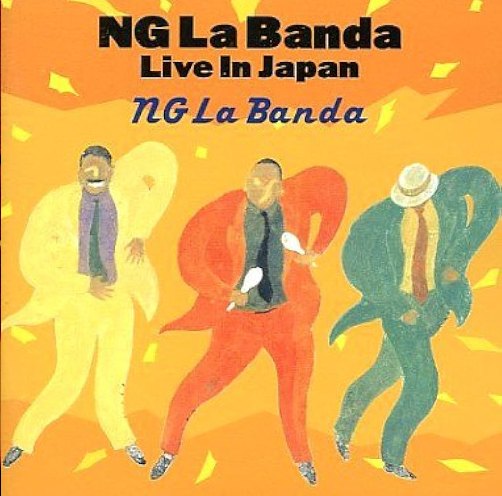
Live In Japan

NG La Banda
(1993)

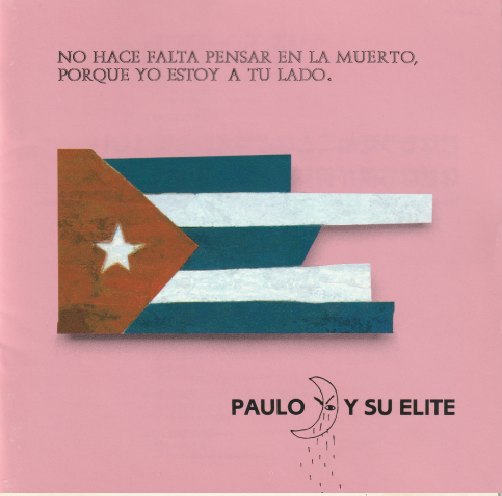
No Hace Falta Pensar La Muerto, Porque Yo Estoy A Tu Lado

Paulo y Su Elite
(1993)

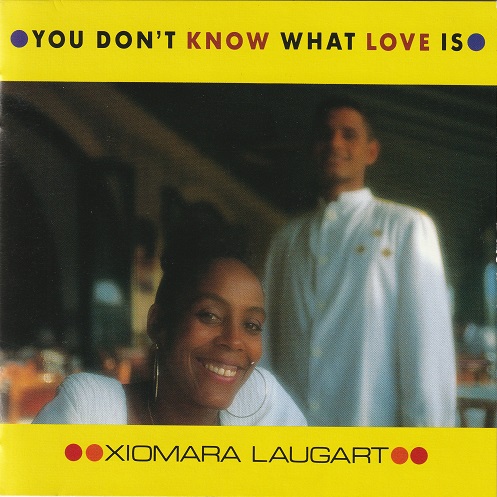
YOU DON'T KNOW WHAT LOVE IS

Xiomara Laguart
(1993)
Spanish Lyrics by César Portillo de la Luz
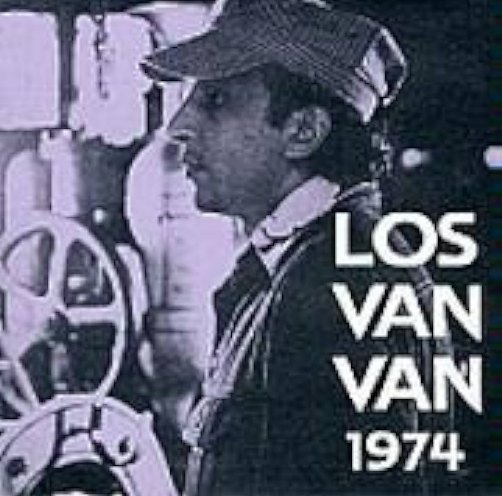
Los Van Van 1974

Los Van Van
(1994)
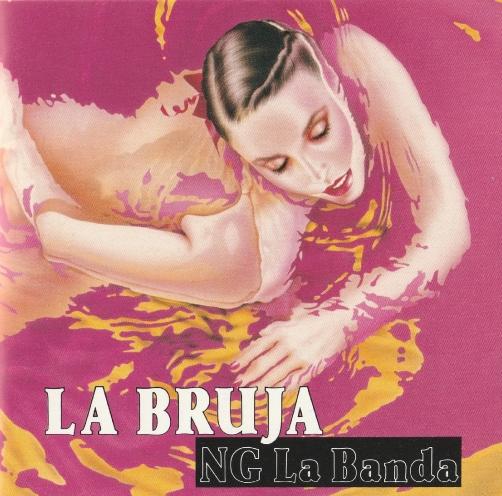
La Bruja

NG La Banda
(1994)
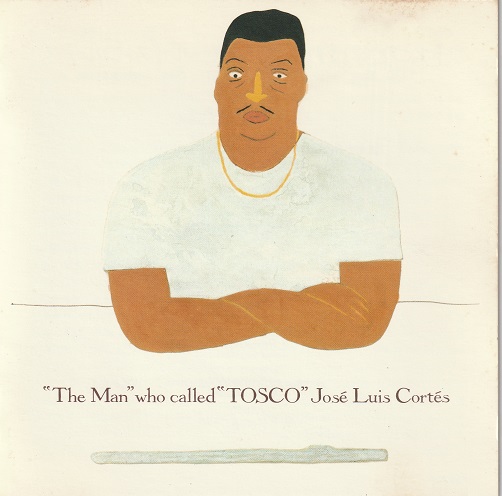
"The Man" who called "TOSCO"

José Luis Cortés
(1994)
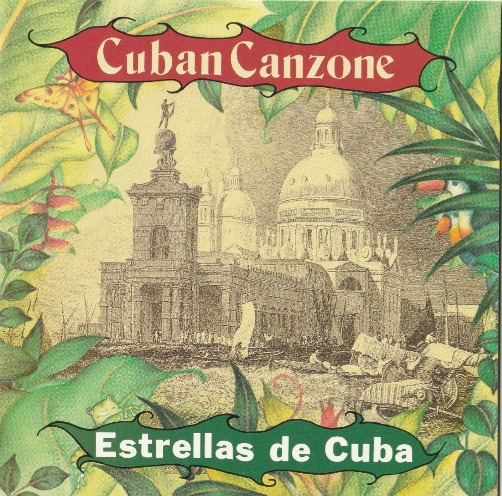
Cuban Canzone

Estrellas de Cuba
(1995)

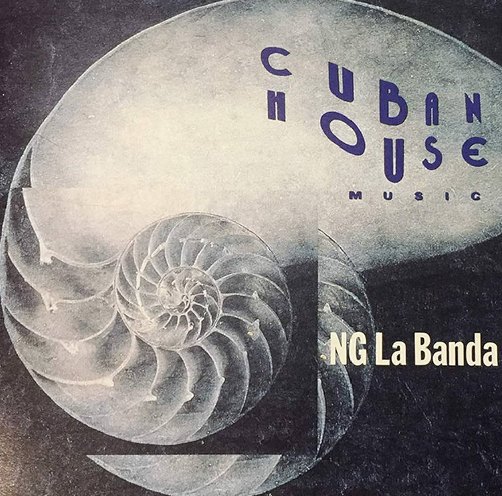
Cuban House Music

NG La Banda
(1995)
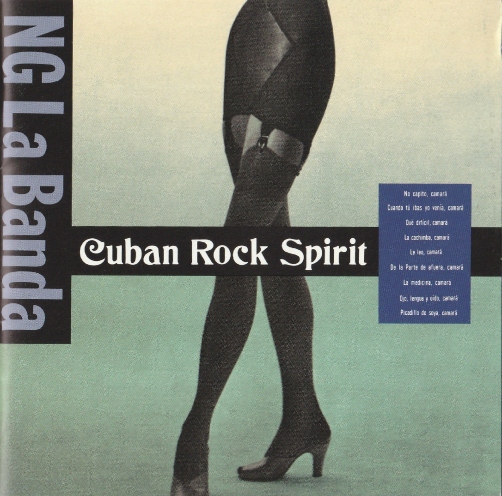
Cuban Rock Spirit

NG La Banda
(1995)
KYOKO

Original Sound Track
(1995-1996)
Historia de un Amor

Javiel Olmo
(1996)
GENTLE & SEXY

The Best of Los Van Van
(1997)
MURAKAMI’s NG La Banda Best

NG La Banda
(1997)
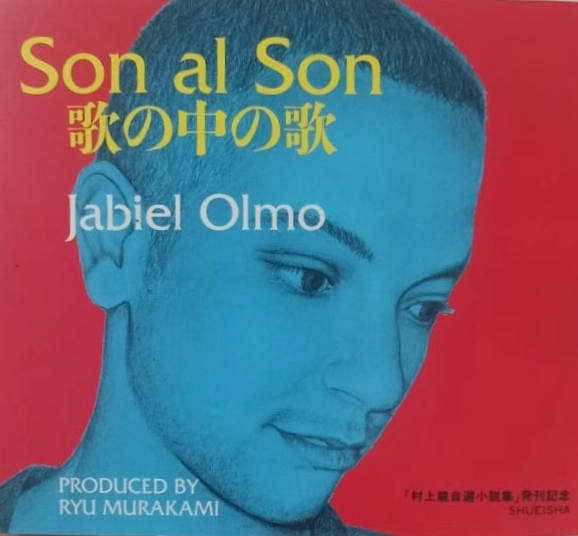
Son al Son

Javiel Olmo
(1998)
2001-2011

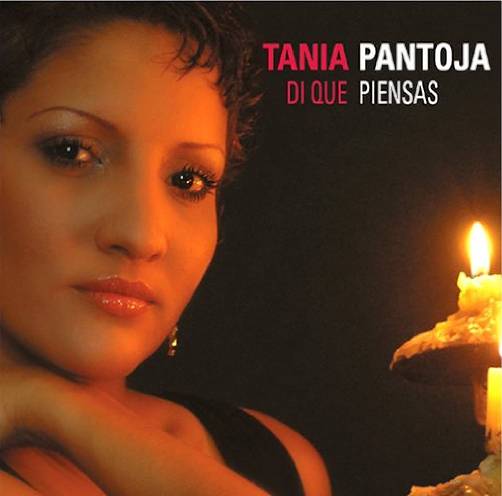
Di Que Piensas

Tania Pantoja
(2007)

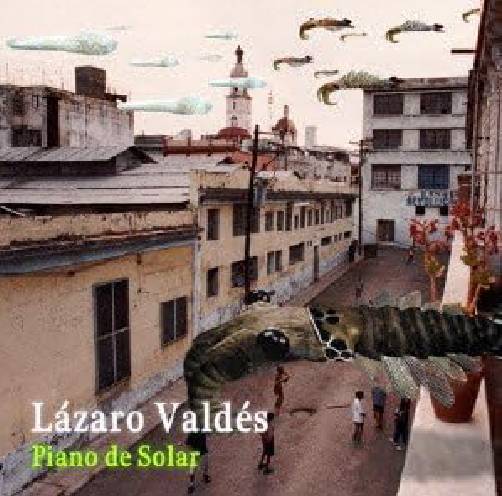
Piano de Solar

Lázaro Valdés
(2007)
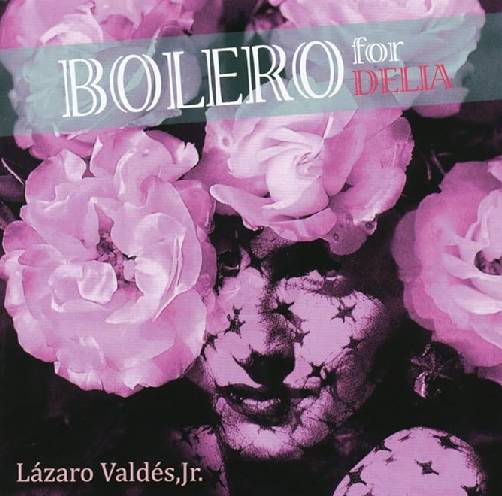
BOLERO

Lázaro Valdés
(2008)
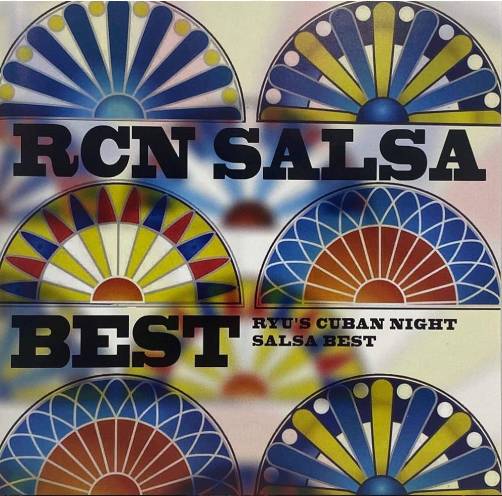
RCN Salsa Best

Ryu's Cuban Night Salsa Best
(2009)
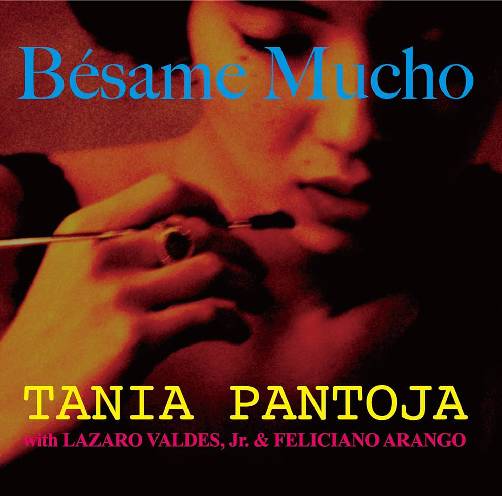
Bésame Mucho

Tania Pantoja
(2009)
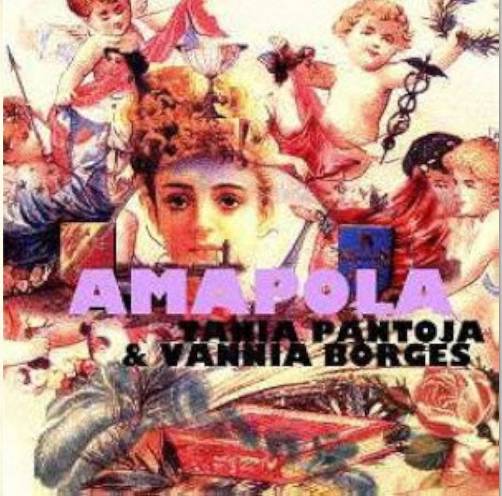
AMAPOLA

Tania Pantoja
(2010)
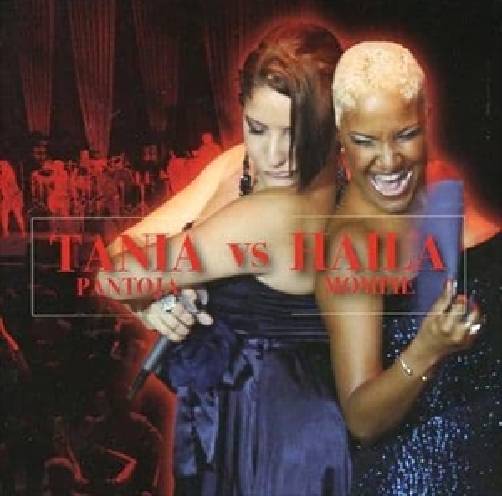
TANIA vs HAILA

Tania Pantoja
Haila Mompie
(2011)
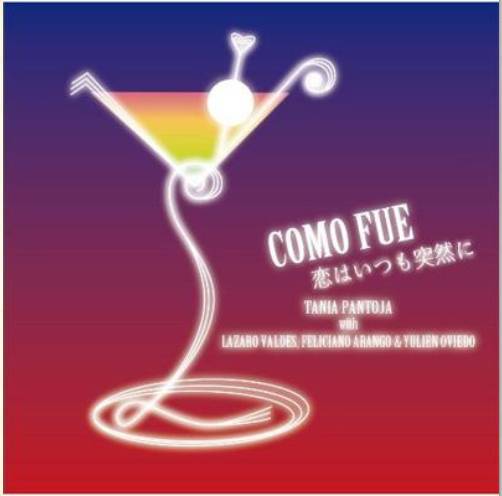
Como Fue

Tania Pantoja
(2011)
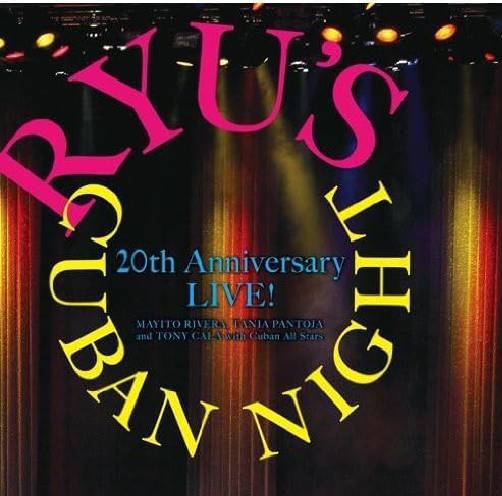
2014 The Final

Ryu's Cuban Night 20th Anniversary

various artists
(2014)

This year, to celebrate the 20th anniversary, I have invited the early 90s members of “NG LA BANDA.” They are the reason I fell in love with Cuban music. I wanted to bring back that amazing sound.

Of course, Tony Calá, the popular singer from their golden age, is coming. Also, as special guests, we have Mayito Rivera, the No.1 male singer from “Los Van Van,” and the famous Tania Pantoja.

I wanted to make this a special concert that shows my 20 years of producing Cuban music. That is why I brought these incredible artists together on one stage. — Ryū Murakami

In 1991, I visited Cuba for the first time. As I kept going back, I realized something. Cuban music is not just “folk music” or “Salsa.” It is much more complex and deep. It has a long history and diversity, just like Black music in the US.

At that time, I was bored with Rock and Jazz, and I only listened to Classical music. But slowly, I became a prisoner of the “magic” of Cuban music.

It is impossible to explain its charm in one word. First of all, the people there need music. And the level of the musicians is incredibly high. After the revolution, they receive top-level classical education at art schools. For example, percussion is a must. Even violinists or saxophonists must play the piano.

When these high-level musicians play, it creates a “catharsis.” Most Japanese people don’t have this experience, so it is very hard to explain the charm of Cuban music. I can only say one thing: “Please, just go and see the stage.”

From: Life is a Carnival by Ryū Murakami (Single Cut, 1996)